

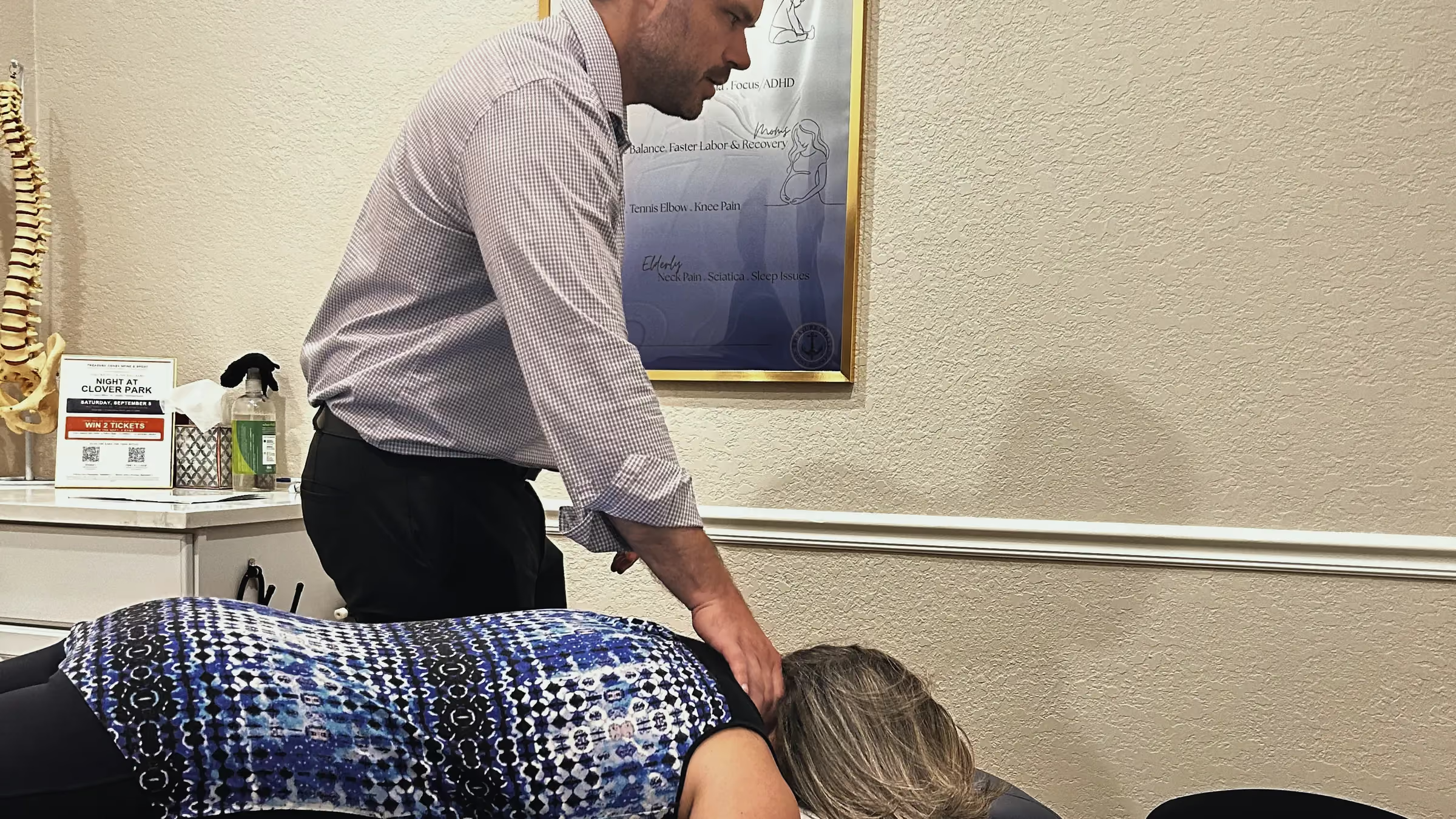
Herniated & Bulging Disc Treatment in Stuart & Port St. Lucie, FL
Your disc can improve,even if the scan looks concerning.
Herniated disc treatment here starts with your symptoms and your exam, not a picture. We use spinal decompression to take load off the segment, regenerative therapy and laser to settle the irritated tissue, and rehab to rebuild the support around it. In most cases patients feel a difference on the very first visit.
You were handed a scan and a shrug
A disc diagnosis should lead to a plan, not more uncertainty.
Someone showed you an image, said a word like herniation, and the room got quieter. Since then you have been treating your own back like something fragile: lifting nothing, twisting carefully, waiting for the next spasm to decide your week. The fear does as much to shrink your life as the pain does.
What we care about is what your back does, not what a picture says about it. We find what is actually irritating the tissue, take the load off it, and rebuild your confidence in the segment.
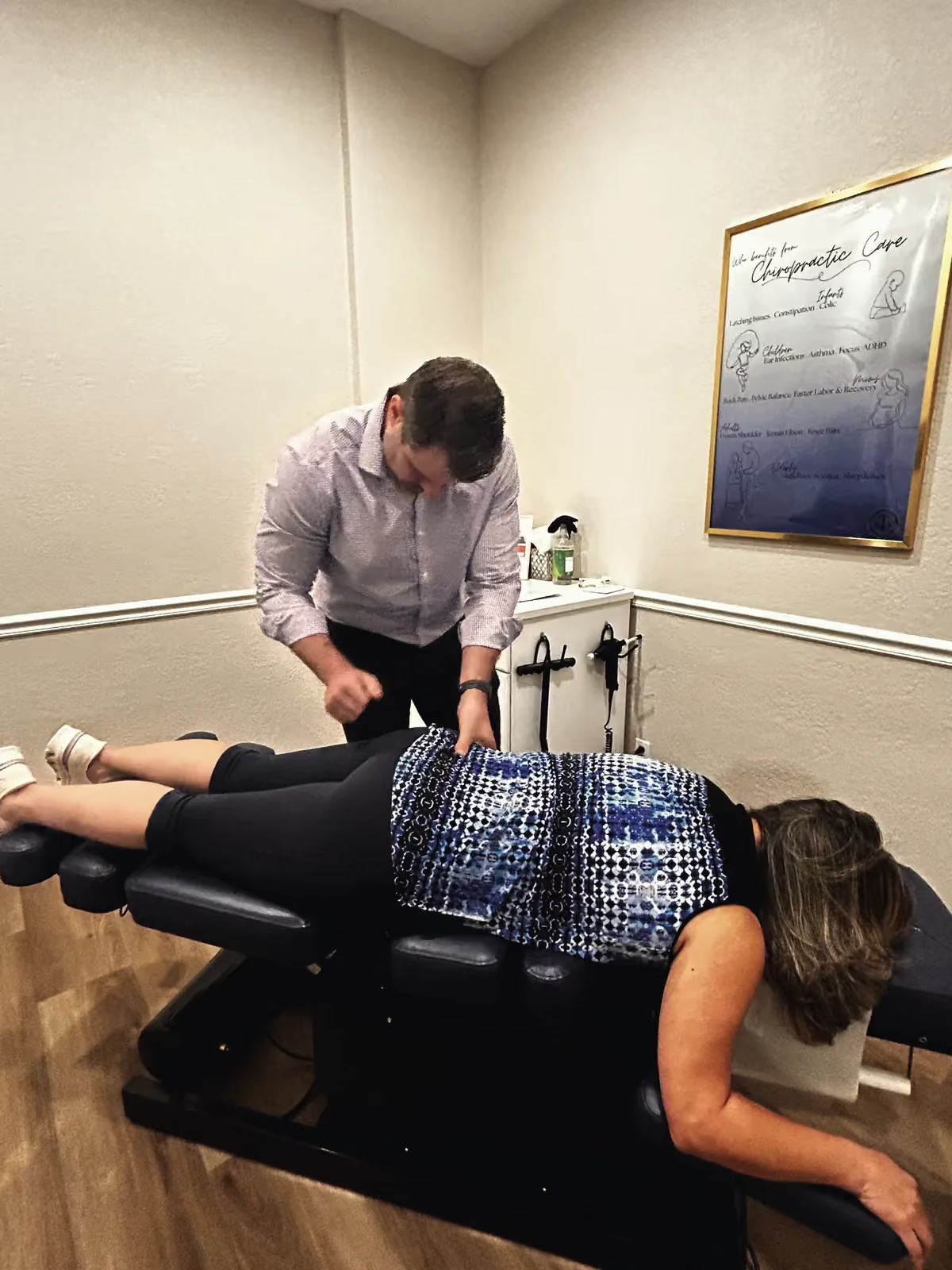
First, the reassuring part
A herniated disc does not automatically mean lifelong back pain.
Here is the part that rarely gets explained: disc bulges and herniations show up regularly on scans of people with no pain at all, and they become more common with age the way gray hair does. Imaging describes anatomy. It does not decide your outcome, and it cannot tell us how much a finding matters to you. What tells us that is your symptom pattern and a careful exam, which is why we lead with those.
Some disc-related symptoms do need medical attention first. We would rather you know the signs than wonder.
When to seek urgent care first
- New numbness in the groin or saddle area
- Loss of bladder or bowel control
- Progressive weakness in a leg, or a foot that catches when you walk
- Numbness or weakness in both legs at once
- Back pain after a serious fall or accident
- Pain with fever or unexplained weight loss
These can indicate pressure on the nerves that needs urgent assessment. Contact a medical provider or emergency care right away rather than booking with us. When you are ready for disc pain that is not an emergency, we are here.
WE GET WHAT YOU'RE GOING THROUGH
Which disc pattern is yours?
A disc can cause several different presentations, and each one changes the plan. You do not need to interpret your own scan. Seeing which of these patterns sounds familiar is a good start, and it is exactly what your exam will confirm.
"An old scan says disc, but the pain moved."
Often: the current driver is not the finding you were told about. Symptoms that change location usually mean the exam matters more than the report.
What we'd likely reach for: a fresh exam before anything else, then whatever your presentation actually calls for rather than a plan built around an old image.
"It grabs and locks up when I move wrong."
Often: the muscles around the segment are guarding hard to protect it. The spasm is protective, not the original problem.
What we'd likely reach for: gentle chiropractic care and soft-tissue work to settle the guarding, then rehab so it stops needing to guard.
"It runs down my leg past the knee."
Often: the disc is irritating a nerve root rather than just the local tissue. Where the pain stops tells us a good deal about which level is involved.
What we'd likely reach for: decompression first, Class IV laser for the inflamed root, and close tracking of your sensation and strength. See also sciatica.
"Bending forward and sitting are the worst."
Often: the disc is loaded most in exactly those positions. This is the pattern that tends to respond fastest to unloading the segment.
What we'd likely reach for: spinal decompression to take pressure off the disc, with SoftWave to support the surrounding tissue.

Not sure which one is you?
That is exactly what the first visit is for. No pressure, no commitment beyond finding out what is going on.
Regenerative care treatments
For years this level of care was out of reach for most people. Not anymore.
Spinal Decompression
Gentle, non-surgical traction that eases the load on a compressed disc and the nerve roots beside it. For disc-related pain this is usually the centerpiece of the plan.
SoftWave Therapy
Regenerative sound-wave therapy that prompts your body's own repair response in stalled soft tissue. Non-invasive, no injections, about five minutes.
Chiropractic Care
Precise, goal-based adjustments that restore movement to the segments above and below so the painful one stops taking everything. Not a generic "rack and crack."
Class IV Laser Therapy
Deep-tissue laser that helps calm inflammation around an irritated disc and nerve root and improve blood flow to the area.
Corrective Exercise & Rehab
A custom, diagnosis-specific home program with video that rebuilds the deep support around the segment, so relief has a reason to last.
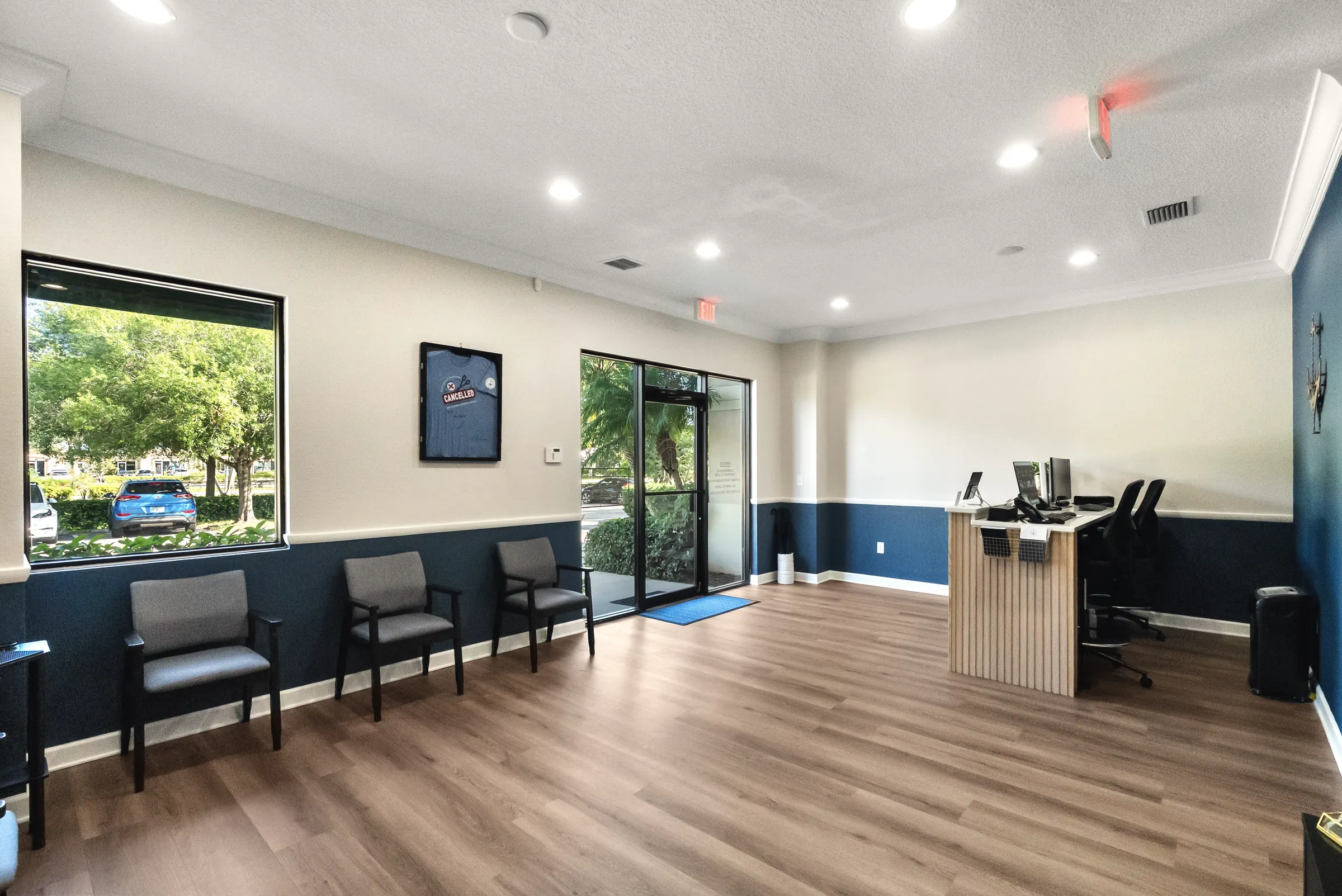
Why patients choose us for disc pain
One team, treating the segment and your confidence in it.
Disc pain is where people most often get bounced between offices, each treating one piece. Here it is one team, one plan, one place. We start with your goal, combine what the segment actually needs, and keep adjusting as your tolerance for normal movement comes back.
Care led by a SoftWave trainer
Dr. Kianoosh Ziayan, DC ("Dr. Z") is an internationally certified SoftWave trainer who teaches other doctors how to use it. The protocols he teaches are the ones our team delivers.
Built around a busy calendar
Visits run around ten minutes, most patients wait under five, and we hold same-week openings at both offices. Getting this sorted out should not cost you your week.
Honest about your plan
You get transparent pricing on day one and an honest read on what to expect. It is healthcare, so nothing is promised. We tell you what we see and adjust the plan as you improve.
Most cases are a mix of these, and the pattern often shifts as you improve. That is the point of the exam: we build the plan around what your back is doing now, then re-check it as things change.
What to expect
9 in 10 patients notice an improvement at the first visit.
You are never guessing what comes next. Here is how your disc plan takes shape.
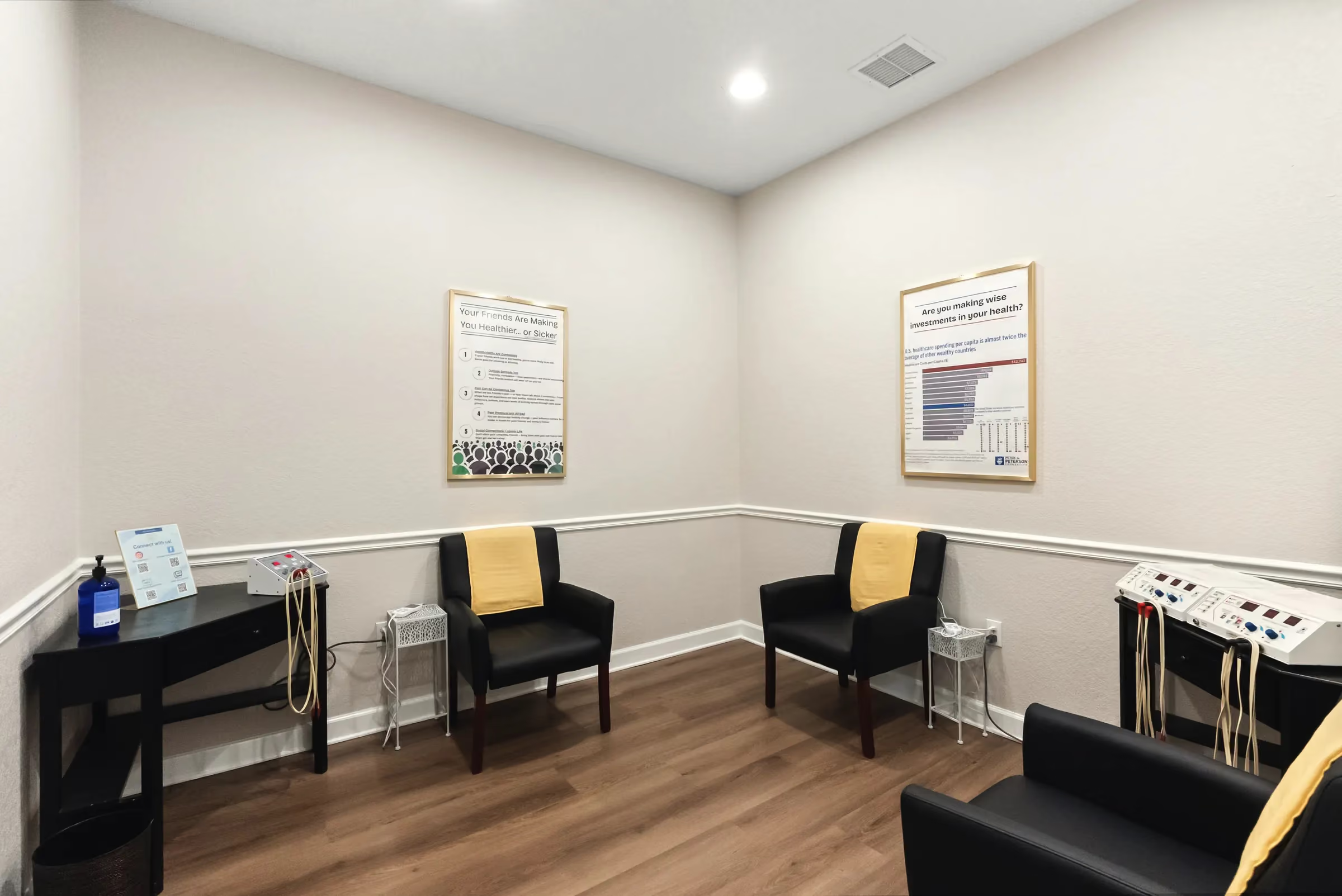
We learn your goal
A case manager sits with you to understand what the back is stopping you from doing, and what you have been told about it so far.
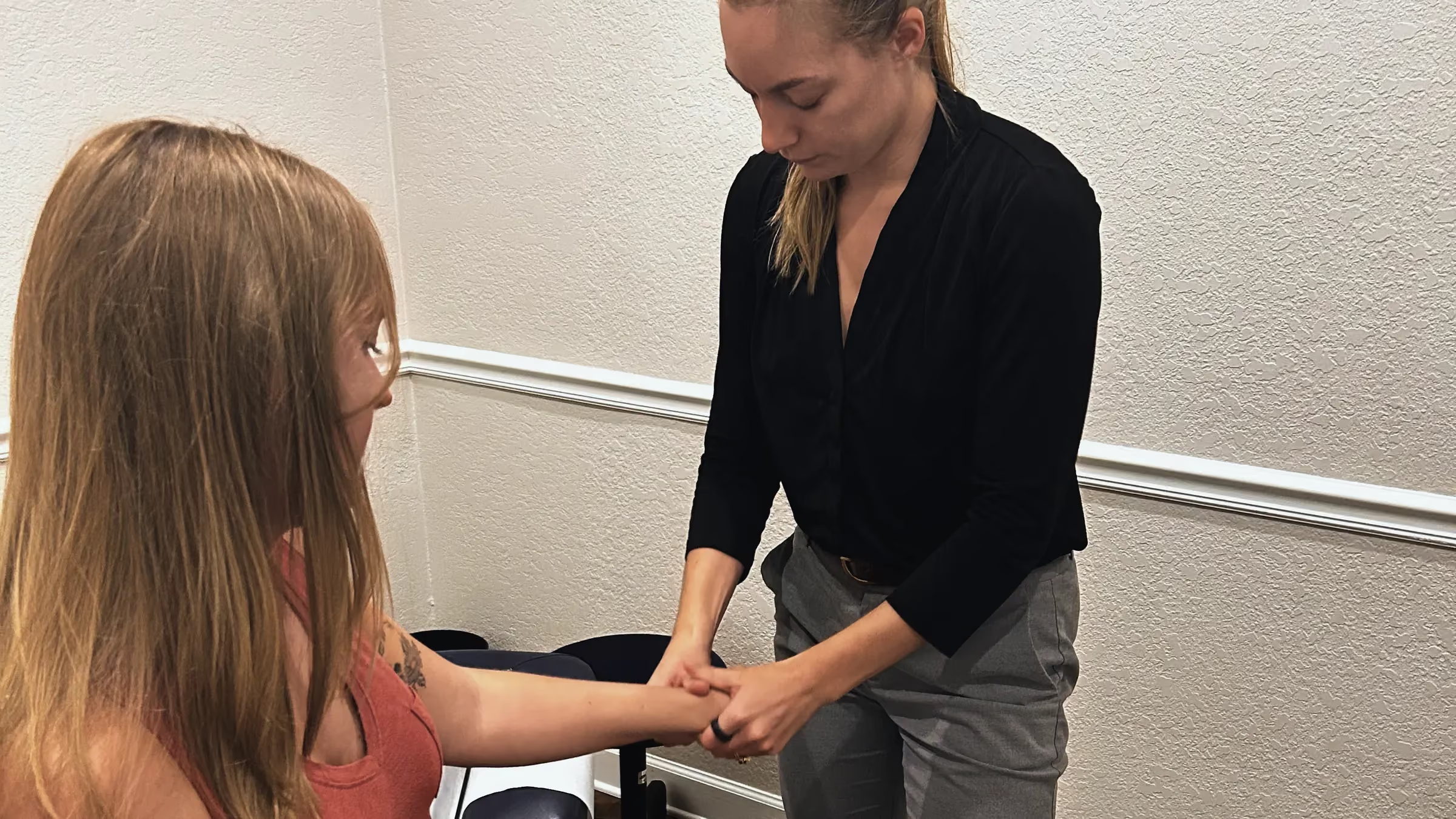
The doctor examines you
A thorough orthopedic exam checks movement, strength, reflexes, and sensation to work out how much any disc finding is actually contributing to your pain.
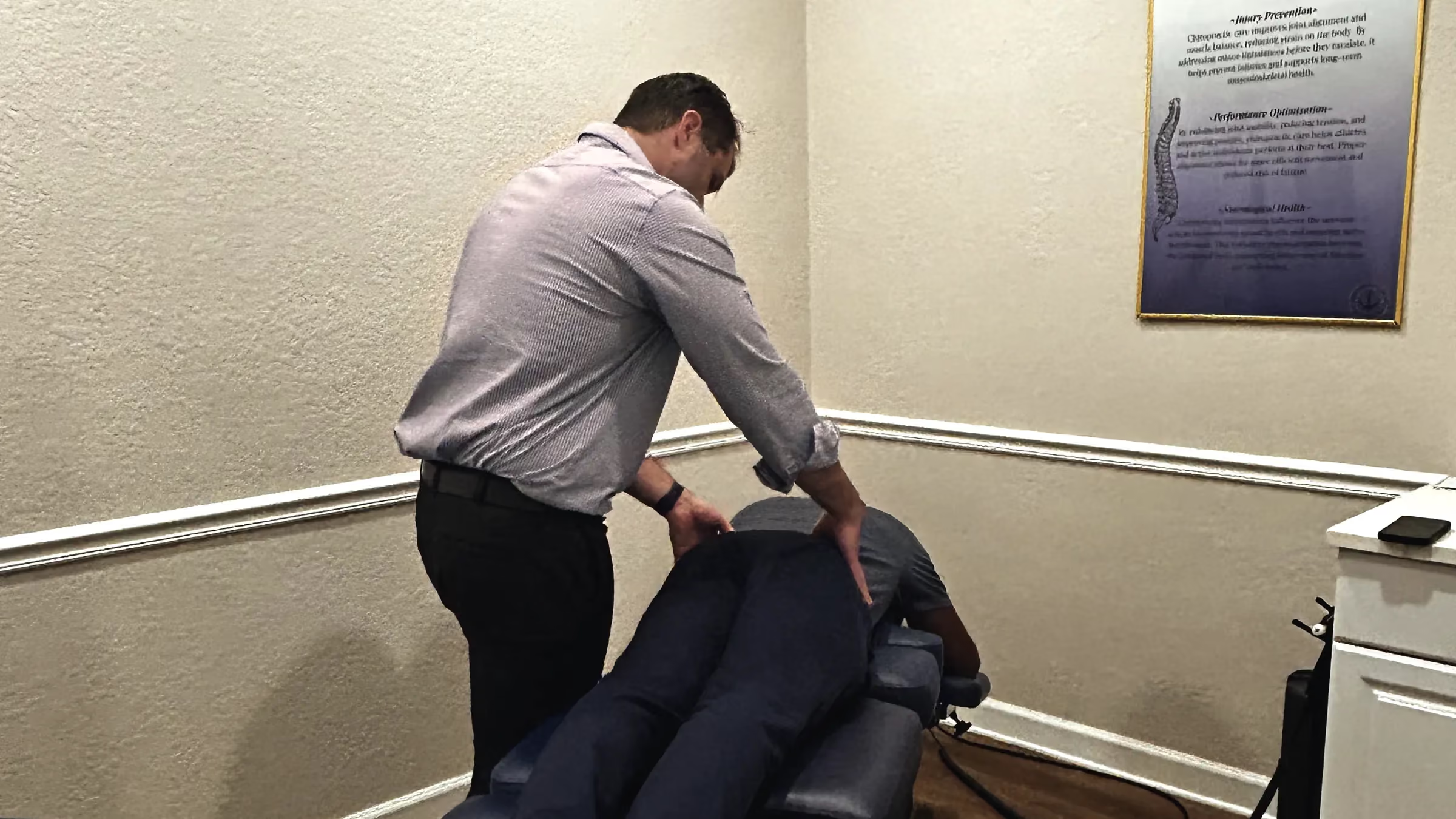
You start the same day
Where it is appropriate, treatment begins on visit one, so you leave having already unloaded the segment rather than holding a referral.
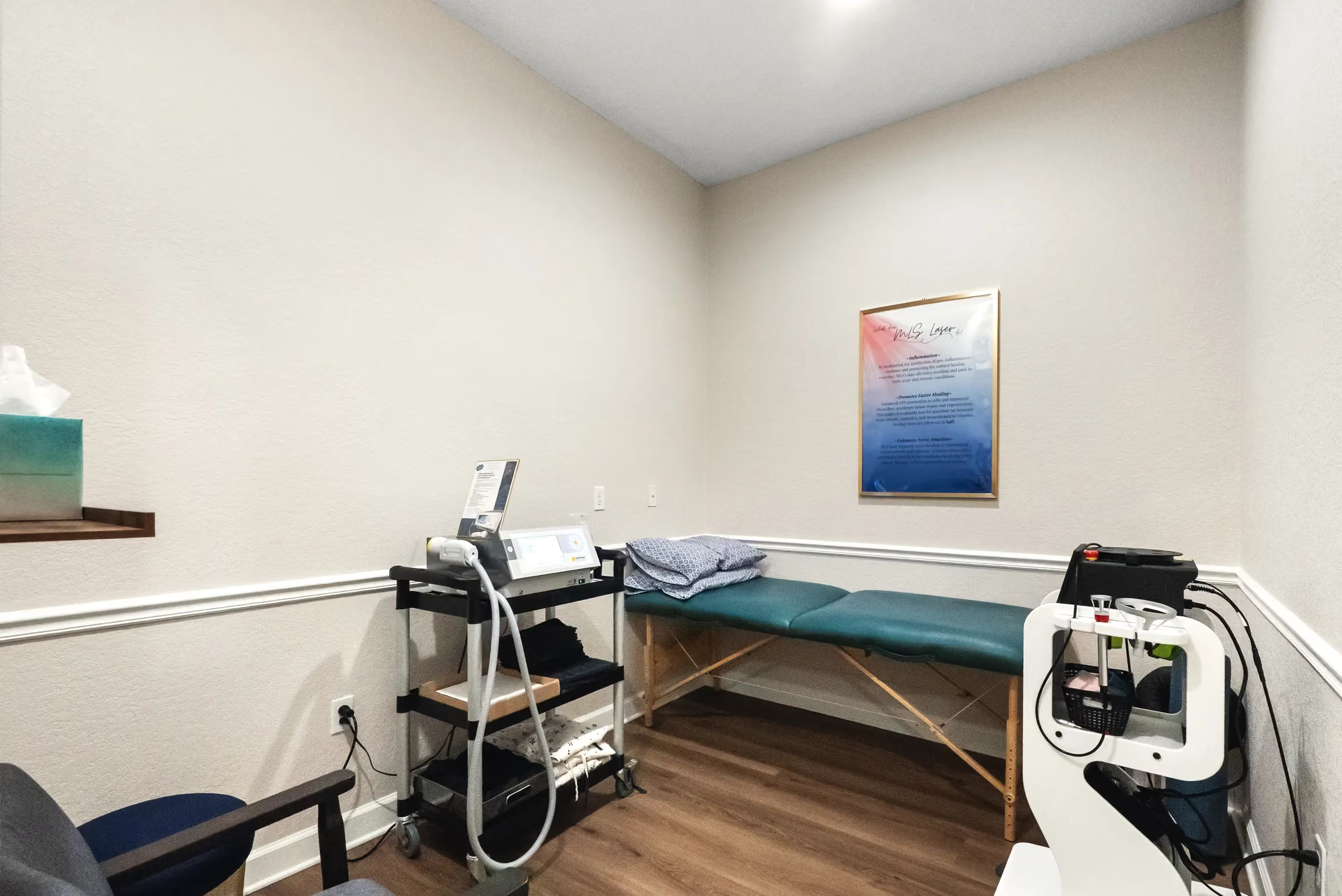
We build the plan, then keep tuning it
You get a clear plan and a home-exercise program about two weeks in, plus regular check-ins so we progress you as the segment tolerates more.
9 in 10
PATIENTS NOTICE A DIFFERENCE ON VISIT ONE
Day 1
RELIEF IS COMMON
$97
FIRST VISIT
Zero
SURGERY OR INCISION
Your First Visit
The visit that reads your back, not just your scan.
An honest go or no-go before you commit to anything.
Custom home-exercise program with video, sent about two weeks into care
A personalized, goal-based care plan
Same-day treatment where appropriate (SoftWave, Class IV Laser, or a chiropractic adjustment)
Full orthopedic exam with the doctor, including range of motion, muscle and orthopedic testing
In-depth consultation with your case manager
Common questions
Have questions? We have answers.
No. Disc findings appear on scans of plenty of people with no pain at all, and they do not by themselves determine how you will do. What matters is your symptom pattern, your exam, and how the segment responds to care. We build the plan around those and tell you honestly what we are seeing as you go.
Disc tissue does change over time, and symptoms from a disc very often settle substantially with conservative care. What we avoid promising is a particular appearance on a future scan, because that is not what we are treating and not what you feel. We aim at your symptoms and your function.
It is one of the main reasons we use it. Decompression applies gentle, controlled traction to take load off the segment, and most patients find it comfortable enough to relax through. Your doctor screens for the situations where it is not appropriate before starting.
Most disc-related pain improves with conservative care, and that is our focus. We are honest at your exam about what we see, and if your case genuinely calls for a surgical opinion we will tell you and help you find the right person. Our job is to give non-surgical care a real, well-run chance first.
Almost certainly not. Long-term avoidance leaves the back weaker and more reactive, which tends to make flare-ups more likely rather than less. The plan works toward loading you again in a controlled way, so bending and lifting stop feeling like a gamble.
Ready when you are
Meet your doctor in person.
Start with the $97 first visit (a $250 value: consultation, full orthopedic exam, and same-day treatment where appropriate, plus your care plan and home-exercise program), or book a free five-minute call with a doctor if you'd rather ask a few questions first. Two offices, one team, same standard of care.