
Shoulder Pain Treatment in Stuart & Port St. Lucie, FL
Shoulder pain can make simple movementsfeel like a problem
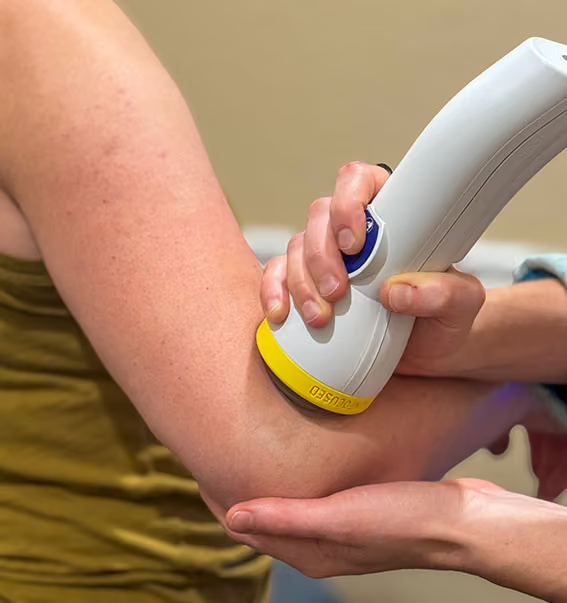
Shoulder pain treatment starts with finding which part of the joint is unhappy, because a stiff capsule and an overworked tendon need very different plans. We pair SoftWave regenerative therapy, Class IV laser, precise chiropractic care, and rehab to settle the tissue and rebuild the reach. In most cases patients feel a difference on the very first visit.
You just want to sleep on that side again
It is not the range of motion number. It is the side you stopped sleeping on.
The seatbelt you now reach across for. The top shelf you ask someone else to get. The serve you have started hitting underhand, and the two or three times a night you wake up because you rolled onto it. Shoulders are patient about getting worse, which is how a twinge becomes the reason you have stopped doing things.
Resting it and working around it can quiet things down. It also tends to leave you stiffer than you started. We take the other route: work out which structure is involved, then treat that directly.
First, the reassuring part
Most shoulder pain responds well to focused, non-surgical care.
The shoulder trades stability for range, which is why most of its problems are soft-tissue problems: an overworked rotator cuff tendon, a joint capsule that has tightened, or a shoulder blade that stopped moving well and left the tendon pinched underneath. That kind of pain has a real capacity to respond when you settle the tissue and restore the mechanics, which is why we lead with a careful exam rather than a scan and a shrug.
Some shoulder problems need medical attention first. We would rather you know the signs than wonder.
When to seek urgent care first
- Chest pain, jaw or arm pain, shortness of breath, or sweating with the shoulder pain
- Inability to lift the arm at all after a fall or injury
- Obvious deformity, or a shoulder that has come out of joint
- A hot, swollen joint with fever or feeling unwell
- Night pain with unexplained weight loss
- Numbness or weakness spreading down the arm into the hand
Shoulder or arm pain with chest symptoms can be a cardiac emergency. Call 911 or seek emergency care immediately. When you are ready for shoulder pain that is not an emergency, we are here.
WE GET WHAT YOU'RE GOING THROUGH
Which shoulder pain is yours?
"My shoulder hurts" points at several different structures, and the plans are genuinely different. You do not need to work this out yourself. Seeing which of these patterns sounds familiar is a good start, and it is exactly what your exam will confirm.
"My neck and shoulder blade hurt together."
Often: the pain is being referred from the neck rather than coming from the shoulder joint at all. A useful clue: reaching overhead is not the thing that sets it off.
What we'd likely reach for: chiropractic care for the neck and shoulder blade, with laser and soft-tissue work on the guarded muscle.
"It hurts at the front when I press or lift something."
Often: the tendon at the front of the shoulder is irritated where it runs through its groove, often alongside a cuff that is not holding the joint centered.
What we'd likely reach for: SoftWave and soft-tissue work on the irritated tendon, then loading it back up gradually.
"It is stiff in every direction. I cannot reach behind my back."
Often: the joint capsule itself has tightened rather than a single tendon being sore. This one is slow by nature and responds best to steady, patient work.
What we'd likely reach for: hands-on mobilization and precise chiropractic care, laser to help with pain, and a daily range program.
"It catches in a painful arc overhead, and aches at night."
Often: a rotator cuff tendon is overworked and getting compressed as you lift the arm. Night pain is very typical, because lying down changes the pressure in the joint.
What we'd likely reach for: SoftWave on the tendon, Class IV laser for the inflammation, and rehab to fix the mechanics compressing it.

Not sure which one is you?
That is exactly what the first visit is for. No pressure, no commitment beyond finding out what is going on.
Regenerative care treatments
Pro athletes have had this level of shoulder care for years. Now you do too.
SoftWave Therapy
Regenerative sound-wave therapy that prompts your body's own repair response in stalled soft tissue. Non-invasive, no injections, about five minutes, and a leading choice for shoulders.
Class IV Laser Therapy
Deep-tissue laser that helps calm inflammation around an irritated cuff and improve blood flow to the area, which supports recovery between visits.
Chiropractic Care
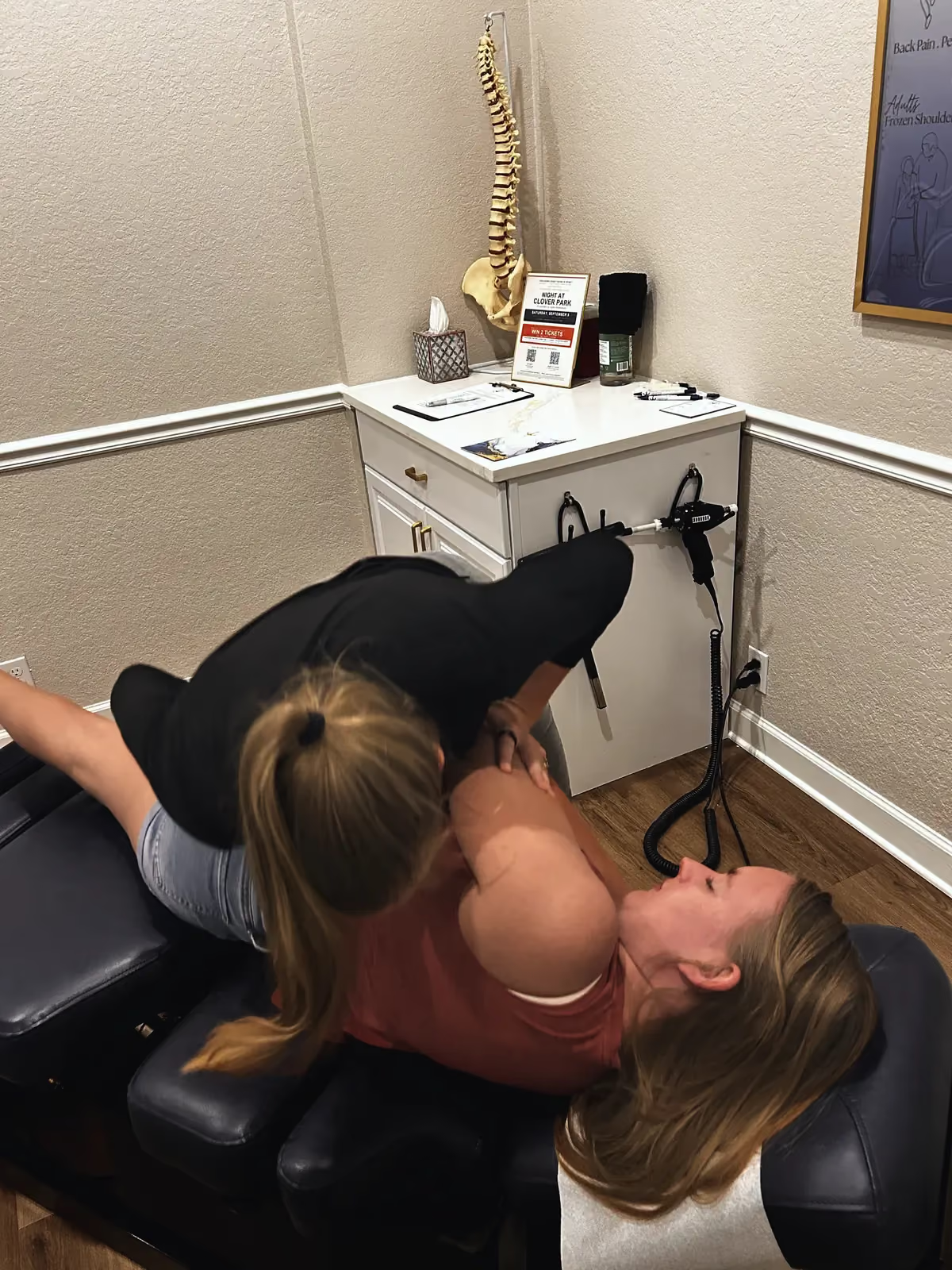
Precise, goal-based adjustments that restore movement to the shoulder, shoulder blade, and neck so the tendon stops getting pinched. Not a generic "rack and crack."
Corrective Exercise & Rehab
A custom, diagnosis-specific home program with video that rebuilds cuff strength and shoulder-blade control, so the reach you get back stays.
Massage & Soft Tissue
Soft-tissue therapy that releases the tight, guarded muscle around the shoulder and shoulder blade so the rest of the plan can work.
Why patients choose us for shoulders
One team, treating the joint and the mechanics.
Shoulders are one of the areas this practice focuses on most, and they are rarely fixed by treating the sore spot alone. Instead of sending you between a chiropractor, a massage therapist, and a physical therapist who never compare notes, we combine what your shoulder actually needs in one place and adjust as your range comes back.
Care led by a SoftWave trainer
Dr. Kianoosh Ziayan, DC ("Dr. Z") is an internationally certified SoftWave trainer who teaches other doctors how to use it. The protocols he teaches are the ones our team delivers.
Built around a busy calendar
Visits run around ten minutes, most patients wait under five, and we hold same-week openings at both offices. Getting this sorted out should not cost you your week.
Honest about your plan
You get transparent pricing on day one and an honest read on what to expect. It is healthcare, so nothing is promised. We tell you what we see and adjust the plan as you improve.
Shoulders are often a mix of these, and a stiff neck or an unmoving shoulder blade is frequently part of the picture. That is the point of the exam: we sort out which structures are driving your pain and build the plan around the real cause.
What to expect
9 in 10 patients notice an improvement at the first visit.
You are never guessing what comes next. Here is how your shoulder plan takes shape.
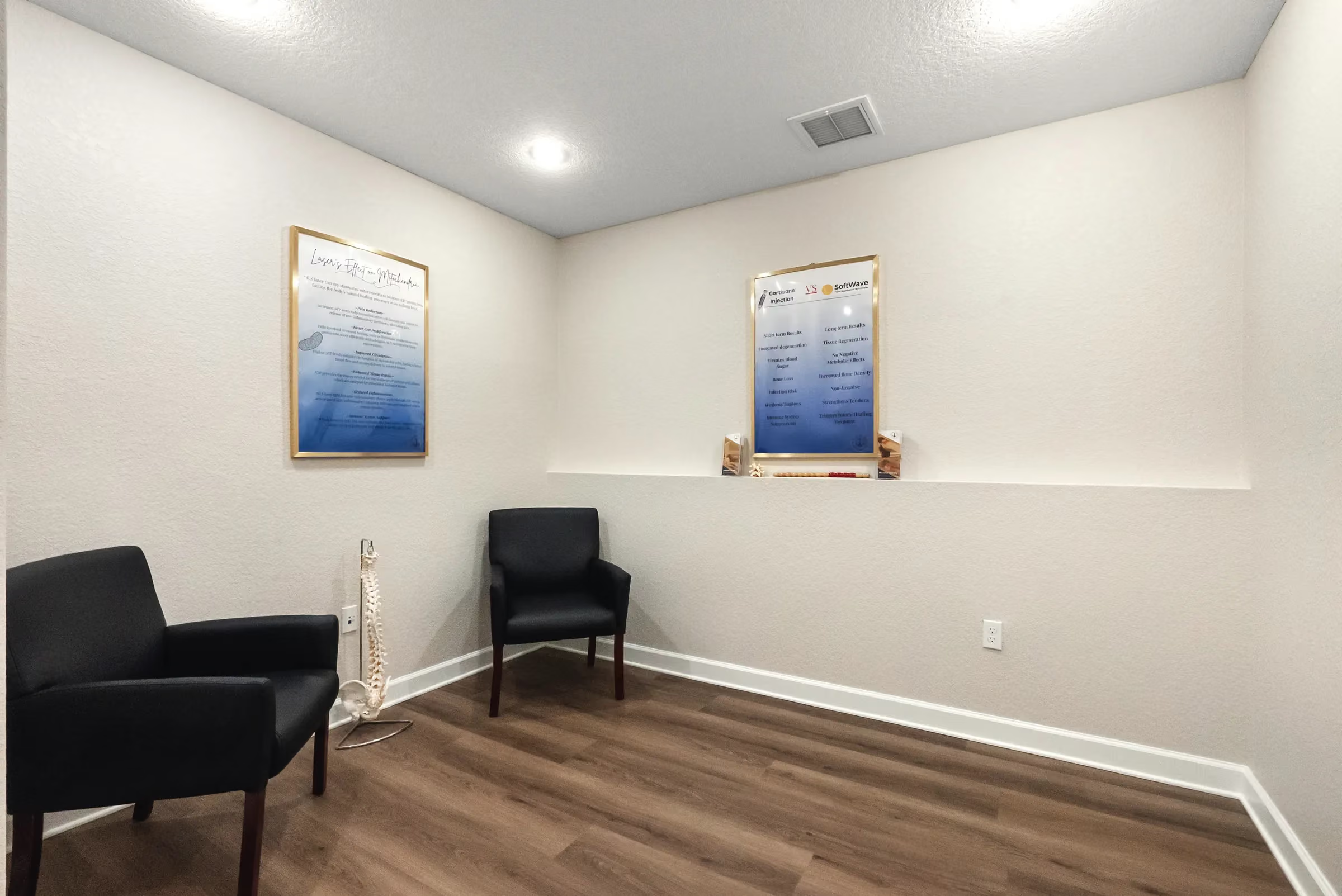
We learn your goal
A case manager sits with you to understand what the shoulder is stopping you from doing, whether that is serving, your golf backswing, the top shelf, or sleeping on that side.
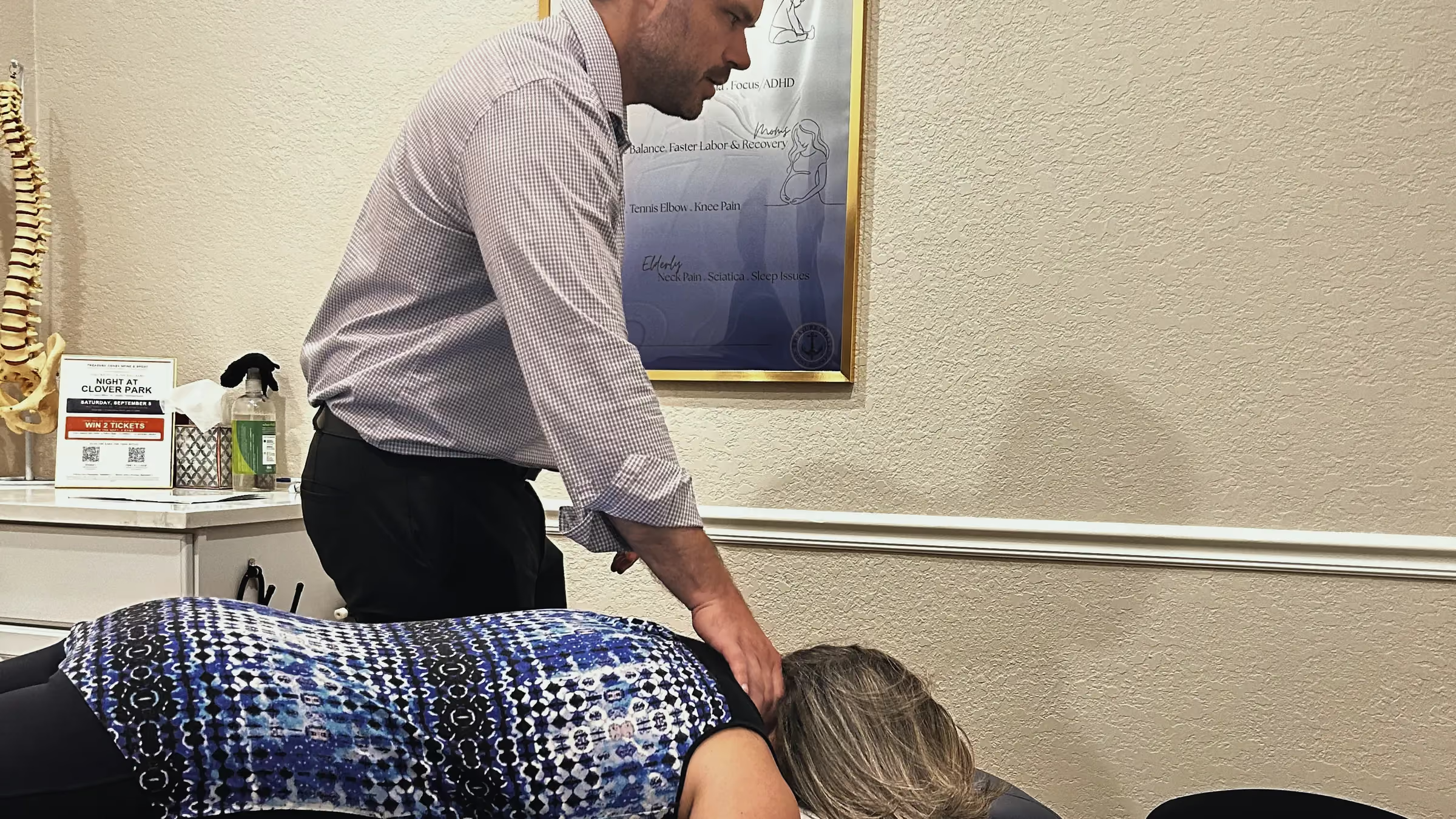
The doctor examines you
A thorough orthopedic exam tests the cuff, the capsule, and how your shoulder blade and neck are moving, so your plan targets the structure that is actually involved.
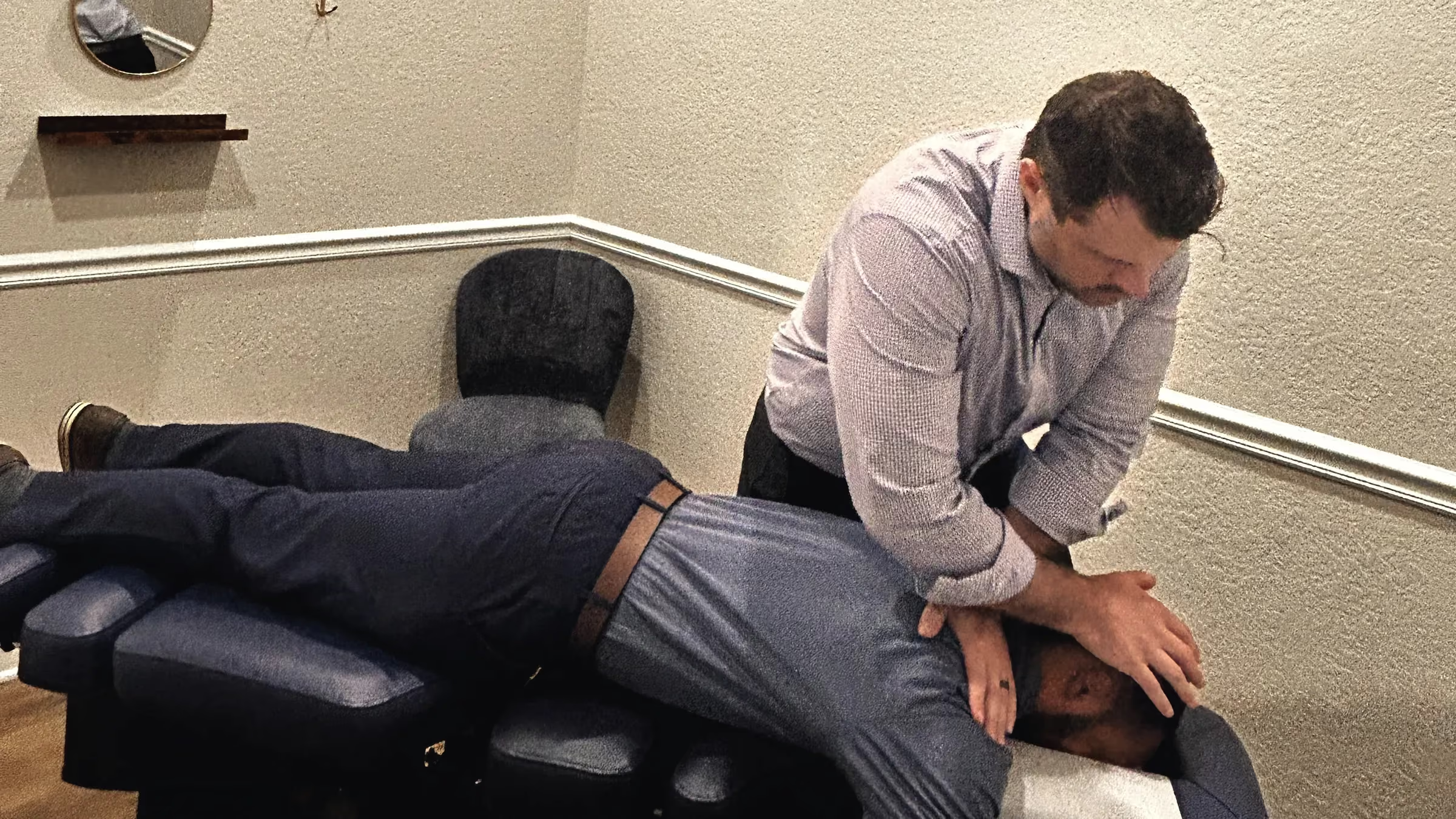
You start the same day
Where it is appropriate, treatment begins on visit one, so you leave having already started rather than holding a referral.
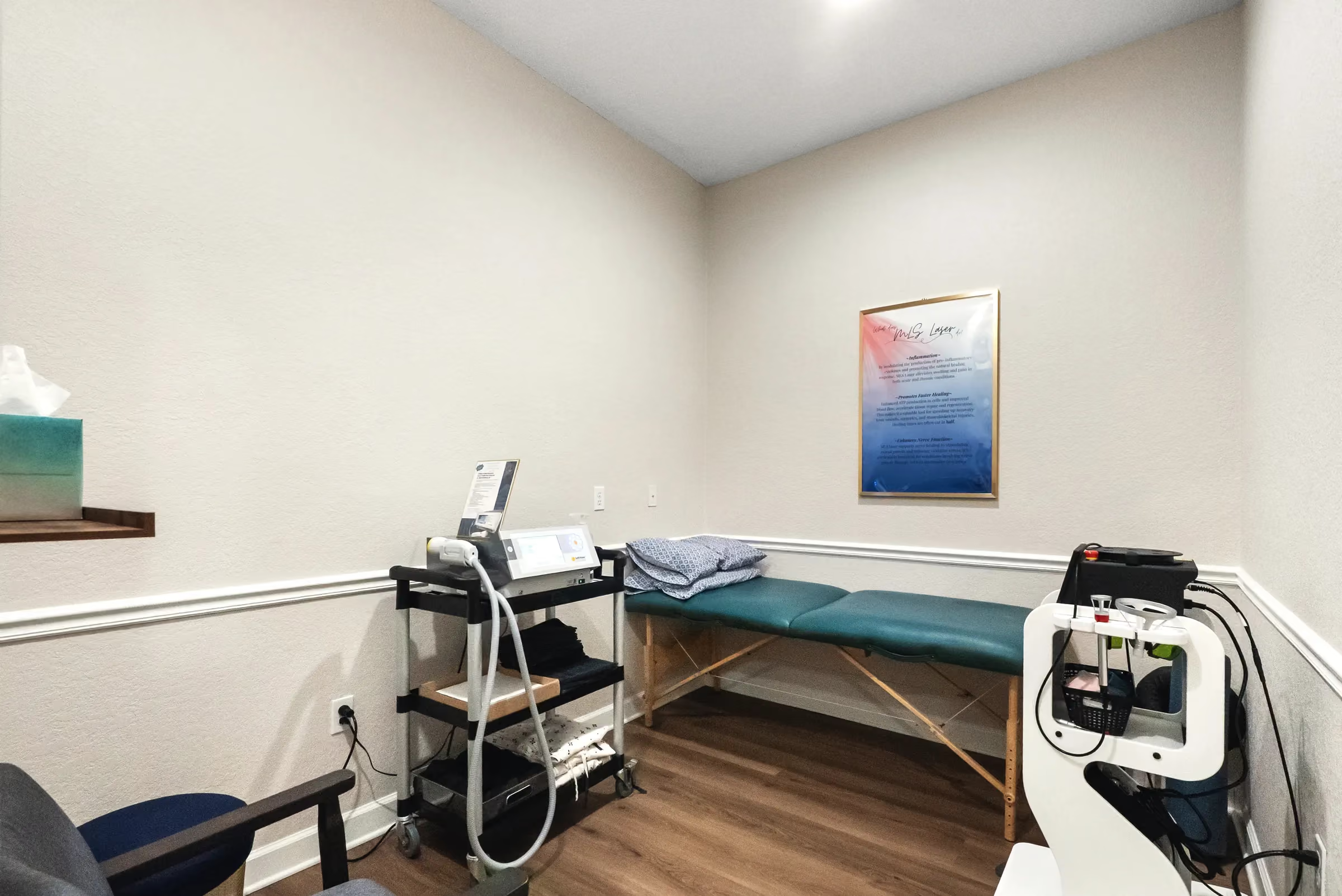
We build the plan, then keep tuning it
You get a clear plan and a home-exercise program about two weeks in, plus regular check-ins so we progress the loading as your range improves.
9 in 10
PATIENTS NOTICE A DIFFERENCE ON VISIT ONE
Day 1
RELIEF IS COMMON
$97
FIRST VISIT
Zero
SURGERY OR INCISION
Your First Visit
The visit that finally explains the shoulder.
An honest go or no-go before you commit to anything.
Custom home-exercise program with video, sent about two weeks into care
A personalized, goal-based care plan
Same-day treatment where appropriate (SoftWave, Class IV Laser, or a chiropractic adjustment)
Full orthopedic exam with the doctor, including range of motion, muscle and orthopedic testing
In-depth consultation with your case manager
Common questions
Have questions? We have answers.
Plenty of shoulder pain that feels like a tear is an overworked, inflamed tendon rather than a structural tear, and small age-related changes are common in shoulders that work perfectly well. The exam tells us a great deal about how much the cuff is contributing. If we think imaging or a surgical opinion is warranted, we will say so directly.
Not necessarily. A thorough orthopedic exam identifies which structure is involved in most cases. If imaging would change your plan, or something in the exam warrants it, we will tell you and help you get it. We do not order scans just to order them.
Capsular stiffness is genuinely slow, and honest care means saying so. It typically improves over months rather than weeks, with steady range work and treatment to keep the pain manageable while it does. Many patients regain useful reach well before they are fully loose, and we track it visit to visit so you can see the movement.
Most patients describe it as a firm tapping sensation, and an irritated tendon can feel tender for a moment as we pass over it. It takes about five minutes, needs no numbing, and you get on with your day afterwards. If anything is uncomfortable, your provider adjusts the settings on the spot.
Complete rest tends to backfire in shoulders, because the joint stiffens quickly and the cuff loses the strength that protects it. What usually helps is settling the irritated tissue while keeping the shoulder moving in ranges that do not flare it, then loading it back up on purpose. That is what the plan is built to do.
Ready when you are
Meet your doctor in person.
Start with the $97 first visit (a $250 value: consultation, full orthopedic exam, and same-day treatment where appropriate, plus your care plan and home-exercise program), or book a free five-minute call with a doctor if you'd rather ask a few questions first. Two offices, one team, same standard of care.