


Plantar Fasciitis Treatment in Stuart & Port St. Lucie, FL
The first steps out of bed should not be the worst part of your day. Let us change that.
Plantar fasciitis treatment works when it does two things: settle the irritated tissue at the heel and fix what has been overloading it. We pair SoftWave regenerative therapy, Class IV laser, and a targeted loading program so the tissue gets a real chance to rebuild. In most cases patients feel a difference on the very first visit.
You just want to walk to the kitchen
It is not the heel. It is the way you brace before your foot lands.
The first thirty seconds every morning that you take on your toes. The walk back to the car after eighteen holes. The way you have started planning your day around how much standing it involves. Heel pain is small in size and enormous in reach, because everything you do goes through that foot.
Rolling it on a frozen bottle and buying better shoes can take the edge off. Neither addresses tissue that has stopped keeping up with what you ask of it. We take the other route: settle the tissue, then rebuild its tolerance.
First, the reassuring part
Plantar fasciitis often improves with the right treatment.
Plantar fasciitis is a tissue-tolerance problem. The band of connective tissue along the sole gets irritated where it attaches at the heel, usually after a change in load: more walking, new shoes, a heavier week on your feet, or a foot and ankle that stopped sharing the work. Tissue like that responds to the right stimulus, which is why we treat the tissue and the loading rather than just cushioning the sore spot.
A few kinds of heel and foot pain need medical attention first. We would rather you know the signs than wonder.
When to seek urgent care first
- A sudden pop or tearing feeling at the heel or arch, and difficulty pushing off
- Numbness, tingling, or burning across the sole rather than a focused ache
- A hot, swollen, red foot with fever or feeling unwell
- Heel pain after a fall, or pain so sharp you cannot bear weight
- Calf swelling, redness, or warmth
- A wound or sore on the foot that is not healing, especially with diabetes
If any of these are happening, contact a medical provider or emergency care first rather than booking with us. When you are ready for heel pain that is not an emergency, we are here.
WE GET WHAT YOU'RE GOING THROUGH
Which heel pain is yours?
Not all heel pain is plantar fasciitis, and the ones that look alike need different plans. You do not need to work this out yourself. Seeing which of these patterns sounds familiar is a good start, and it is exactly what your exam will confirm.
"My calf is tight and my ankle barely bends."
Often: a stiff ankle and tight calf are pushing extra load onto the heel with every step. Very common, and very treatable.
What we'd likely reach for: soft-tissue work and joint work to restore ankle motion, with calf and foot rehab to keep it.
"It burns or tingles across the sole."
Often: a nerve in the foot is involved rather than the fascia alone. The quality of the pain is the clue, and it changes the plan.
What we'd likely reach for: careful assessment first, then soft-tissue work and laser where appropriate. If it points somewhere outside our scope, we say so.
"It builds through the day the more I stand."
Often: a tolerance problem rather than a stiffness problem. The tissue copes early and runs out of capacity as the hours add up.
What we'd likely reach for: SoftWave with graded loading work to raise how much the tissue can take before it complains.
"Worst first thing in the morning, eases as I move."
Often: the classic pattern. The tissue tightens overnight and complains when you load it cold, then settles once blood flow picks up.
What we'd likely reach for: SoftWave on the irritated attachment, Class IV laser for the inflammation, plus a loading program you can do at home.

Not sure which one is you?
That is exactly what the first visit is for. No pressure, no commitment beyond finding out what is going on.
Regenerative care treatments
Pro athletes have had this level of care for years. Now you do too.
SoftWave Therapy
Regenerative sound-wave therapy that prompts your body's own repair response in stalled soft tissue. Non-invasive, no injections, about five minutes, and a leading choice for stubborn heels.
Class IV Laser Therapy
Deep-tissue laser that helps calm inflammation at the heel attachment and improve blood flow to the area, which supports recovery between visits.
Corrective Exercise & Rehab
A custom, diagnosis-specific home program with video that builds the foot, calf, and ankle capacity your heel depends on, so relief has a reason to last.
Massage & Soft Tissue
Soft-tissue therapy for the calf and sole that takes tension off the heel attachment so the rest of the plan can work.
Chiropractic Care
Precise, goal-based joint work to restore movement where a stiff ankle or foot is pushing extra load into the heel. Not a generic "rack and crack."
Why patients choose us for heel pain
One team, treating the heel and the load on it.
Heel pain often gets a shoe insert and a stretch sheet, and not much else. Instead of sending you between a chiropractor, a massage therapist, and a physical therapist who never compare notes, we combine what your foot actually needs in one place and adjust as your tolerance climbs.
Care led by a SoftWave trainer
Dr. Kianoosh Ziayan, DC ("Dr. Z") is an internationally certified SoftWave trainer who teaches other doctors how to use it. The protocols he teaches are the ones our team delivers.
Built around a busy calendar
Visits run around ten minutes, most patients wait under five, and we hold same-week openings at both offices. Getting this sorted out should not cost you your week.
Honest about your plan
You get transparent pricing on day one and an honest read on what to expect. It is healthcare, so nothing is promised. We tell you what we see and adjust the plan as you improve.
Most heels are a mix of these, and the ankle and calf are almost always part of the story. That is the point of the exam: we sort out which structures are driving your pain and build the plan around the real cause.
What to expect
9 in 10 patients notice an improvement at the first visit.
You are never guessing what comes next. Here is how your heel plan takes shape.
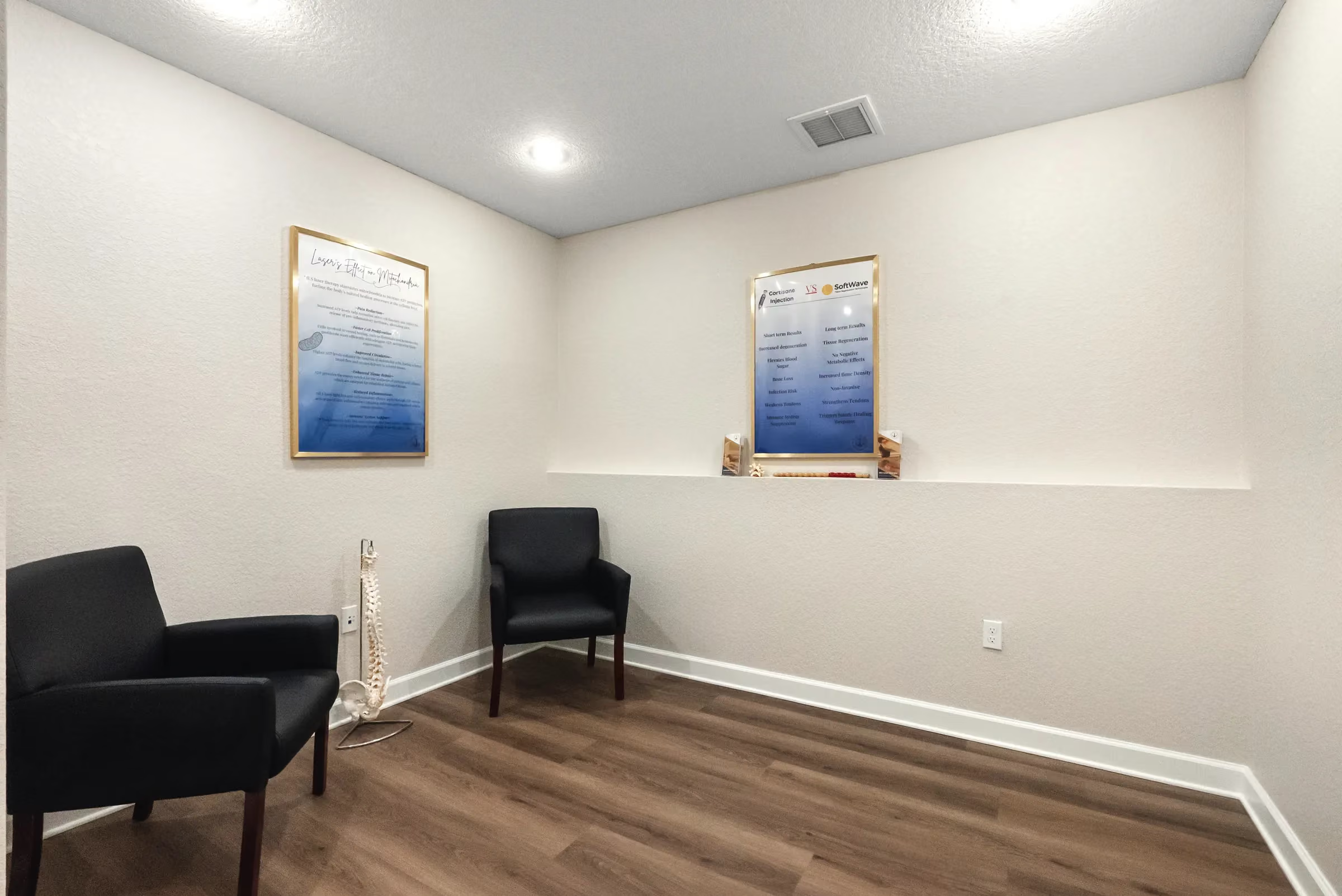
We learn your goal
A case manager sits with you to understand what the heel is costing you, whether that is a morning walk, a full round, a shift on your feet, or the beach.
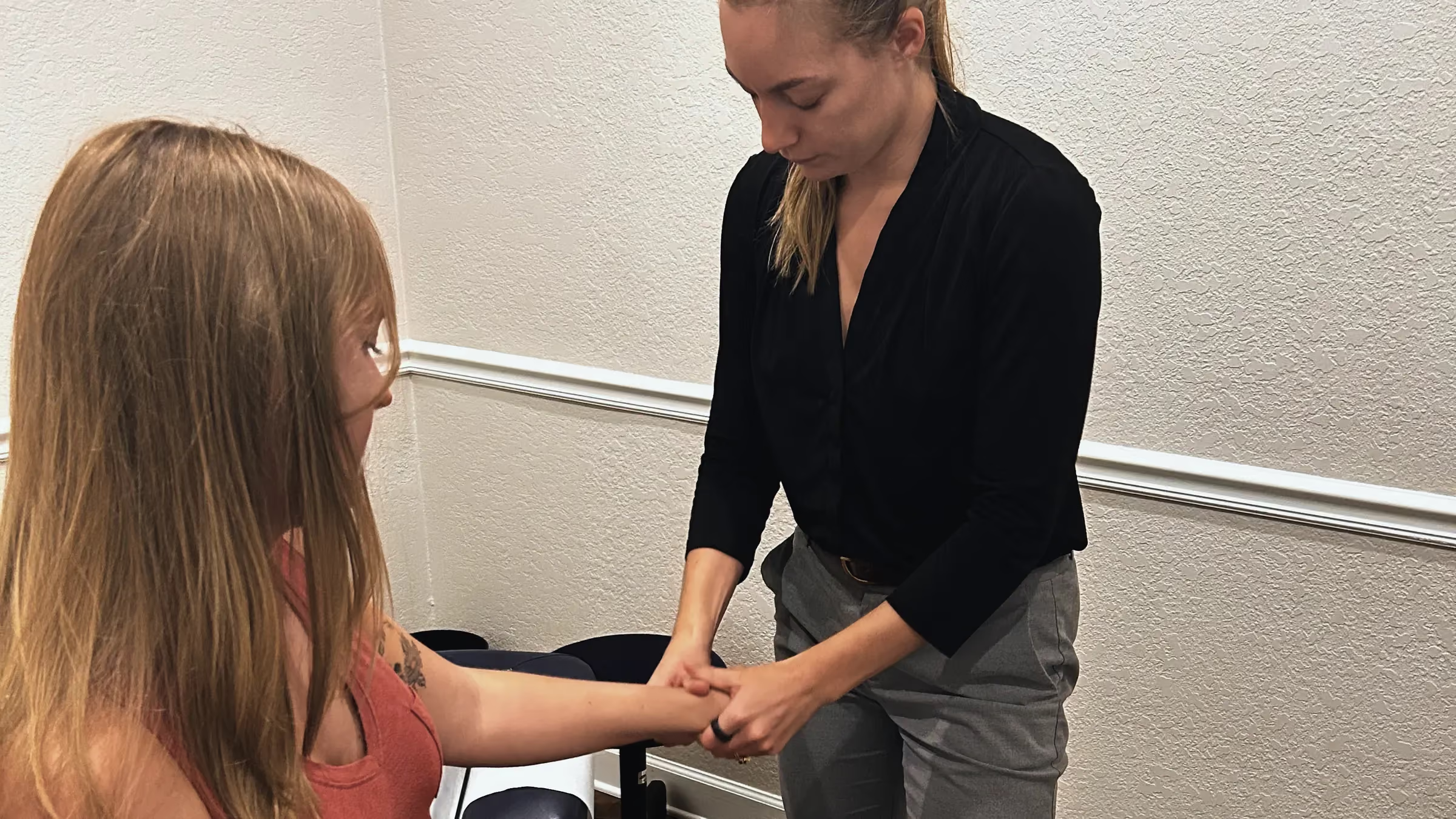
The doctor examines you
A thorough orthopedic exam checks the heel attachment, calf length, ankle motion, and how you load the foot, so the plan targets the real driver.
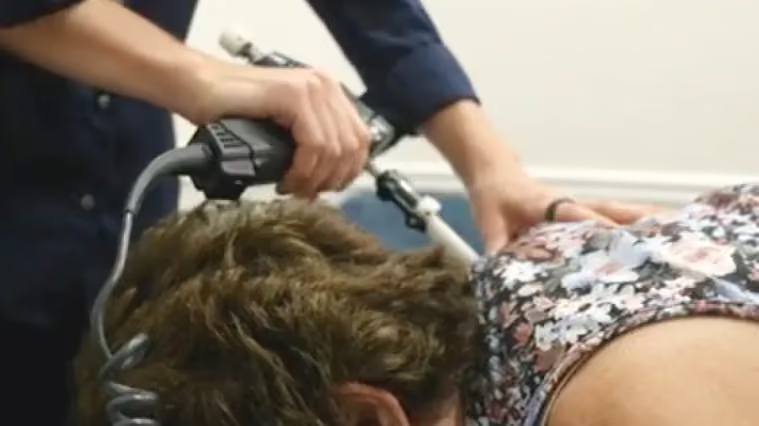
You start the same day
Where it is appropriate, treatment begins on visit one, so you leave having already started rather than holding a referral.
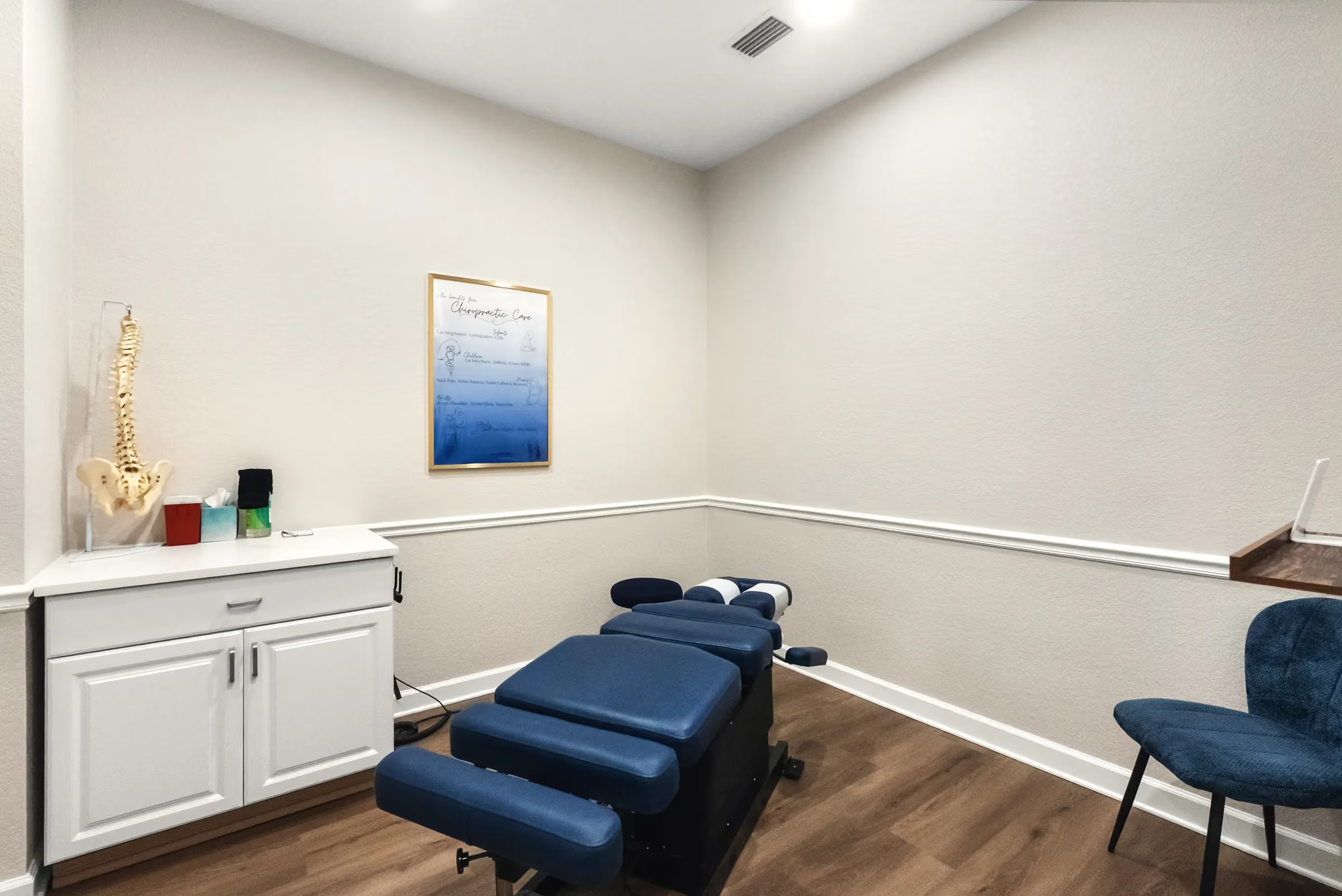
We build the plan, then keep tuning it
You get a clear plan and a home program about two weeks in, plus regular check-ins so we progress the loading as the tissue tolerates more.
9 in 10
PATIENTS NOTICE A DIFFERENCE ON VISIT ONE
Day 1
RELIEF IS COMMON
$97
FIRST VISIT
Zero
SURGERY OR INCISION
Your First Visit
The visit that finally explains the heel.
An honest go or no-go before you commit to anything.
Custom home-exercise program with video, sent about two weeks into care
A personalized, goal-based care plan
Same-day treatment where appropriate (SoftWave, Class IV Laser, or a chiropractic adjustment)
Full orthopedic exam with the doctor, including range of motion, muscle and orthopedic testing
In-depth consultation with your case manager
Common questions
Have questions? We have answers.
Many patients notice the morning pain easing within a few weeks, and in most cases the trend is gradual rather than sudden. Cases that have been going for a year or more take longer, because the tissue has more rebuilding to do. Your doctor will give you an honest read at the exam rather than a number off a chart.
That is a conversation for you and your medical provider. What we can say is that our approach aims at the tissue and the loading rather than suppressing inflammation temporarily, and many patients get meaningful relief without going that route. We are happy to talk through where each option fits.
They can genuinely help by reducing the load on a sore heel, which is why we often use them early. On their own they tend to manage the symptom rather than build the tolerance back. The plan pairs the two so you are not dependent on the shoe forever.
Usually not completely. Total rest lowers the tissue tolerance further, which is why heels often feel worse after a quiet week. What tends to work is dialing the volume back to what the heel can handle, treating the tissue, then building the load back on purpose.
Most patients describe it as a firm tapping sensation, and the sore spot at the heel can feel tender for a moment as we pass over it. It takes about five minutes, needs no numbing, and you walk out and get on with your day. If anything is uncomfortable, your provider adjusts the settings on the spot.
Ready when you are
Meet your doctor in person.
Start with the $97 first visit (a $250 value: consultation, full orthopedic exam, and same-day treatment where appropriate, plus your care plan and home-exercise program), or book a free five-minute call with a doctor if you'd rather ask a few questions first. Two offices, one team, same standard of care.